O QUE VOCÊ ESTÁ PROCURANDO?
Pesquisas populares
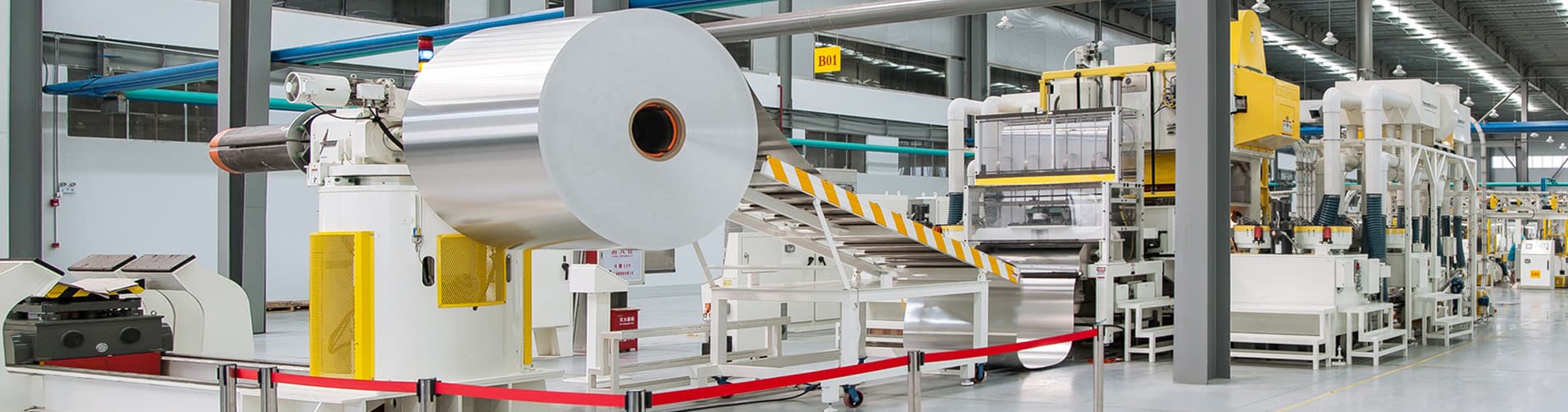
As tampas de latas são componentes de embalagem onipresentes em alimentos, bebidas e produtos químicos de uso diário. Embora pequenas e de aparência simples, as tampas de alumínio para latas integram um design estrutural sofisticado, padrões rigorosos de materiais e fabricação automatizada de precisão. A maioria dos consumidores só sabe como puxar a aba para abrir, mas poucos entendem as diferenças entre os vários tipos de tampas, seus cenários de aplicação e a lógica de produção.
Como um fabricante de tampas de latas de alumínio em grande escalaNesta apresentação, vamos analisar o conhecimento da indústria sobre tampas de latas sob quatro perspectivas: tipos mais comuns, estruturas principais, processos de produção completos e tendências industriais, ajudando você a compreender totalmente a tecnologia presente nessas pequenas tampas.
1. Principais tipos de tampas de lata para diversas necessidades de embalagem. Com base nos mecanismos de abertura, designs estruturais e cenários de aplicação, as tampas de lata são divididas em três categorias principais, abrangendo todos os setores de embalagens de bebidas e alimentos.
1.1 Tampas com Aba Fixa (SOT) – A Tampa Dominante para Bebidas. A SOT, abreviação de Stay-on Tab (Aba Fixa), é a tampa mais utilizada para refrigerantes, cervejas e chás prontos para beber. Ela substituiu as antigas argolas removíveis por uma estrutura fixa embutida. Principais vantagens: A aba permanece presa à tampa após a abertura, eliminando o risco de dispersão de argolas, ingestão acidental e arranhões. O design otimizado da alavanca garante abertura fácil e vedação confiável. Compatível com latas padrão de 330 ml, 500 ml e 1 litro.
1.2 Tampas com Abertura Total (FA) – Ampla Abertura para Alimentos Sólidos. FAE significa Tampa com Abertura Total. Ao contrário das tampas SOT com abertura parcial, todo o painel superior pode ser completamente removido para criar uma ampla abertura desobstruída. É aplicada principalmente a alimentos sólidos e semissólidos, como frios, frutas em conserva, mingau misto e refeições prontas para consumo. Destaques: A abertura total permite fácil acesso aos alimentos com talheres. Apresenta alta resistência à compressão estrutural para manter a vedação hermética e a conservação a longo prazo. Também é adotada por marcas de bebidas energéticas premium e cafés especiais para uma experiência de consumo superior.
1.3 Tampas personalizadas especiais - Para bebidas premium, alimentos funcionais e mercados de exportação europeus, tampas personalizadas como a SOT 202 CDL são nossos principais itens produzidos em massa. Essas tampas atendem integralmente aos padrões BPA FREE para cumprir as rigorosas regulamentações da UE para contato com alimentos. Elas oferecem maior precisão dimensional e melhor desempenho de vedação, tornando-as a melhor opção para embalagens internacionais que exigem personalização para segurança e conformidade.
2.1. Material base de alumínio**: Liga de alumínio 3004 de qualidade alimentar com equilíbrio entre resistência, ductilidade e resistência à corrosão, adequada para estampagem de alta velocidade e padrões de segurança alimentar.
2.2. Linha de Corte de Precisão**: A profundidade do corte é rigorosamente controlada. Isso evita rupturas acidentais durante o transporte e armazenamento, ao mesmo tempo que permite uma abertura suave, equilibrando resistência estrutural e facilidade de descascamento.
2.3. Estrutura de rebite integrada**: Rebites estampados em peça única fixam firmemente a aba de puxar com distribuição uniforme da força, evitando que a aba se solte ou quebre ao abrir.
2.4. Selante de Grau Alimentício**: Revestimento especial na parte interna da tampa bloqueia o ar e a umidade para evitar vazamentos e deterioração do produto, prolongando sua vida útil.
2.5. Aba ecológica fixa**: O design integrado atende aos padrões globais de reciclagem sem riscos à segurança.
3. Processo completo de produção de tampas de alumínio para latas. A produção em massa de tampas de alumínio de alta qualidade depende de linhas de produção totalmente automatizadas com mais de uma dezena de procedimentos de precisão para garantir alta eficiência, tolerâncias rigorosas e qualidade sem defeitos. O fluxo de trabalho completo é o seguinte:
3.1 Inspeção e Triagem de Matérias-Primas: Bobinas de alumínio de alta pureza, próprias para contato com alimentos, são utilizadas. Todos os materiais recebidos passam por detecção de falhas por correntes parasitas e medição de espessura a laser para identificar trincas, espessura irregular e impurezas, minimizando defeitos na matéria-prima desde a origem. Todos os materiais são testados para ausência de BPA, atendendo aos códigos de segurança alimentar nacionais e internacionais.
3.2 Estampagem e Conformação de Alta Velocidade Matrizes progressivas multiestação realizam estampagem de alta velocidade para corte, conformação de extremidades, curvatura de bordas e vinco de precisão. A linha de produção executa centenas de golpes por minuto para suportar nossa produção anual de mais de 65 bilhões de peças. Este procedimento controla rigorosamente a profundidade do vinco, a planicidade e a suavidade da borda para evitar rebarbas, deformações e profundidade de vinco inadequada.
3.3 Revestimento Automatizado com Selante: O selante de grau alimentício é aplicado uniformemente com espessura controlada, sem transbordamento ou falhas na aplicação. Após a cura, o selante forma uma camada estável que suporta o envase a quente, o armazenamento em temperatura ambiente e o transporte de longa distância.
3.4 Rebitagem e Montagem de Abas de Puxar A alimentação, o posicionamento e a rebitagem automáticos das abas de puxar são realizados em um processo integrado para garantir uma fixação firme e distribuição uniforme da tensão. Inspeções rigorosas eliminam rebites soltos, desalinhados ou quebrados, garantindo um desempenho de abertura consistente em todas as extremidades acabadas.
3.5 Limpeza e Higienização de Superfícies As tampas de latas moldadas passam por lavagem profissional, remoção de poeira, secagem e esterilização para eliminar poeira e contaminantes gerados durante a produção. Todas as operações são realizadas em uma oficina higiênica e livre de poeira, em conformidade com os requisitos de sanitização para embalagens de alimentos.
3.6 Testes de Qualidade Abrangentes Todos os produtos acabados passam por testes não destrutivos 100%, que abrangem desempenho de vedação, resistência à compressão, força de abertura, defeitos de aparência e precisão dimensional, para eliminar produtos defeituosos antes do envio.
3.7 Triagem, Embalagem e Armazenamento: As tampas de lata qualificadas são triadas automaticamente, embaladas hermeticamente para proteção contra poeira e umidade e, em seguida, categorizadas em armazéns. Nosso sistema de armazenamento em larga escala garante fornecimento estável e entrega rápida.
4. Tendências do setor: Segurança, respeito ao meio ambiente, alta eficiência e personalização. A indústria global de embalagens de alimentos impulsiona três tendências claras de aprimoramento para tampas de latas:
4.1. Padrões de segurança e ambientais mais elevados**: A produção livre de BPA torna-se um requisito obrigatório para exportação e mercados de alto padrão, enquanto as abas ecológicas permanentes são totalmente incorporadas ao mercado.
4.2. Fabricação Inteligente e em Grande Escala**: Linhas de produção inteligentes e automatizadas substituem as operações manuais, alcançando qualidade padronizada e capacidade massiva.
4.3. Personalização Diversificada**: Os clientes podem encomendar tampas personalizadas com especificações exclusivas, processos de produção e padrões de inspeção adaptados aos tamanhos de suas latas, cenários de uso e exigências regulatórias de exportação.
Conclusão
Uma pequena tampa de lata representa o ápice da fabricação de precisão na indústria de embalagens, combinando ciência de materiais, engenharia estrutural, estampagem de precisão, tecnologia de selagem e rigorosos testes de qualidade. De bebidas de consumo diário a produtos alimentícios premium, diferentes tipos de tampas de alumínio para latas oferecem desempenho dedicado para proteger a qualidade e a segurança dos produtos de marcas globais. Com anos de experiência na fabricação de tampas de alumínio para latas, possuímos uma capacidade anual superior a 80 bilhões de peças e produzimos uma linha completa de tampas de alumínio BS, RPT, SOT, FA, SOE e LOE. Oferecemos produção ecologicamente correta e livre de BPA, além de soluções personalizadas, fornecendo embalagens de alumínio com excelente custo-benefício, respaldadas por grande capacidade produtiva, qualidade estável e rigorosos padrões de fabricação para parceiros globais.
 sales@xmbaofeng.com
 +8613606907586
 +86 (592) 7116660